Nature's Power: Photographing Extreme Weather Safely
The Ultimate Rush
For most people, a severe weather warning is a signal to board up the windows and hide in the basement. For a small group of specialized photographers, a severe weather warning is an invitation to work. Photographing extreme weather—lightning storms, supercells, tornadoes, and massive floods—is one of the most thrilling and dangerous genres of photography on earth. It yields images that are deeply humbling, showcasing the raw, terrifying power of the planet we live on.
However, no photograph is worth your life. Extreme weather is wildly unpredictable. The difference between a breathtaking photo and a fatal accident is often just a matter of miles, or minutes. If you want to photograph the storm, you must prioritize education and safety above all else.
The Gear: Rain covers and Lightning Triggers
If you are shooting in a storm, your camera is going to get wet. Even "weather-sealed" cameras have limits. You must protect your gear. I highly recommend purchasing a cheap, plastic camera rain cover. These slide over your camera and lens like a poncho, allowing you to operate the dials while keeping the electronics completely dry.
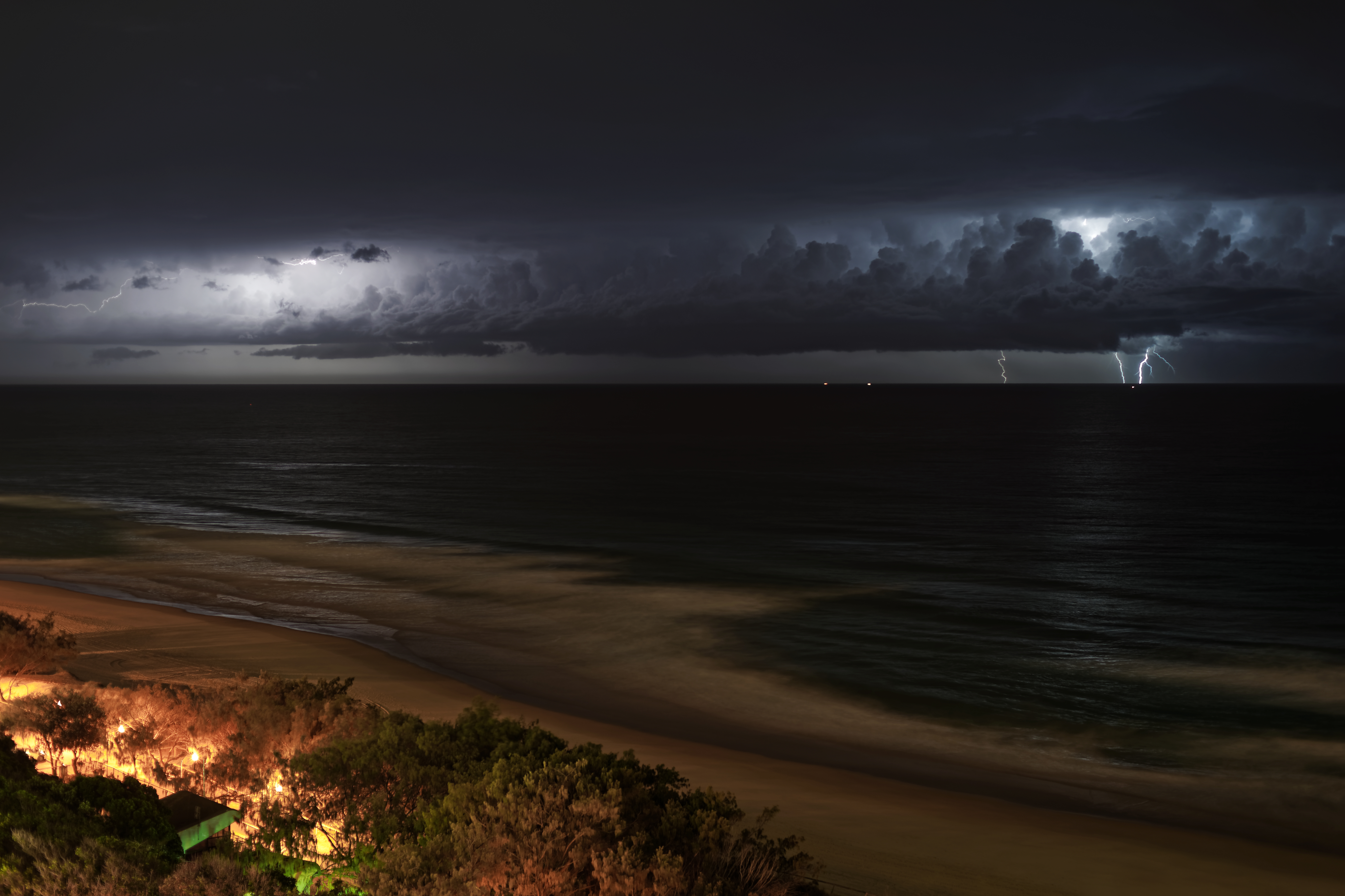
If you want to photograph lightning, you do not need supernatural reflexes. You will never be able to press the shutter button fast enough when you see a flash. Instead, you need a "Lightning Trigger." This is a small device that sits on top of your camera and plugs into the remote shutter port. It contains an incredibly sensitive optical sensor. When a bolt of lightning flashes, the sensor detects the sudden burst of light and instantly fires the camera's shutter within a millisecond, capturing the bolt perfectly. Alternatively, you can simply shoot long exposures at night (as discussed in our previous guide), leaving the shutter open for 30 seconds and letting the lightning paint itself into the frame.
Safety Rule #1: Distance is Your Friend
You do not need to be inside the storm to get a good photo. In fact, the best photos of supercell thunderstorms and tornadoes are taken from miles away. This allows you to capture the massive, towering structure of the storm clouds against the landscape.
Use a telephoto lens (like a 70-200mm) to compress the distance and make the storm look massive, while maintaining a safe, 10-to-15 mile buffer zone. Always ensure that the storm is moving parallel to you, or moving away from you. Never position yourself directly in the path of a severe storm.
Safety Rule #2: Radar and Escape Routes
You cannot chase storms blindly. You must have a co-pilot (or a mounted iPad) actively monitoring live weather radar apps like RadarScope. These apps allow you to track the exact speed, direction, and intensity of a storm cell.
Furthermore, before you even pull out your camera, you must have an escape route planned. Always know exactly which direction leads to safety, and ensure you are parked on a paved road facing that direction. Dirt roads turn into impassable, slippery mud the second heavy rain starts falling, trapping you in the path of the storm. If you ever feel the hair on your arms stand up while holding your camera, drop everything and run to the car immediately; a lightning strike is imminent.


Comments
Post a Comment